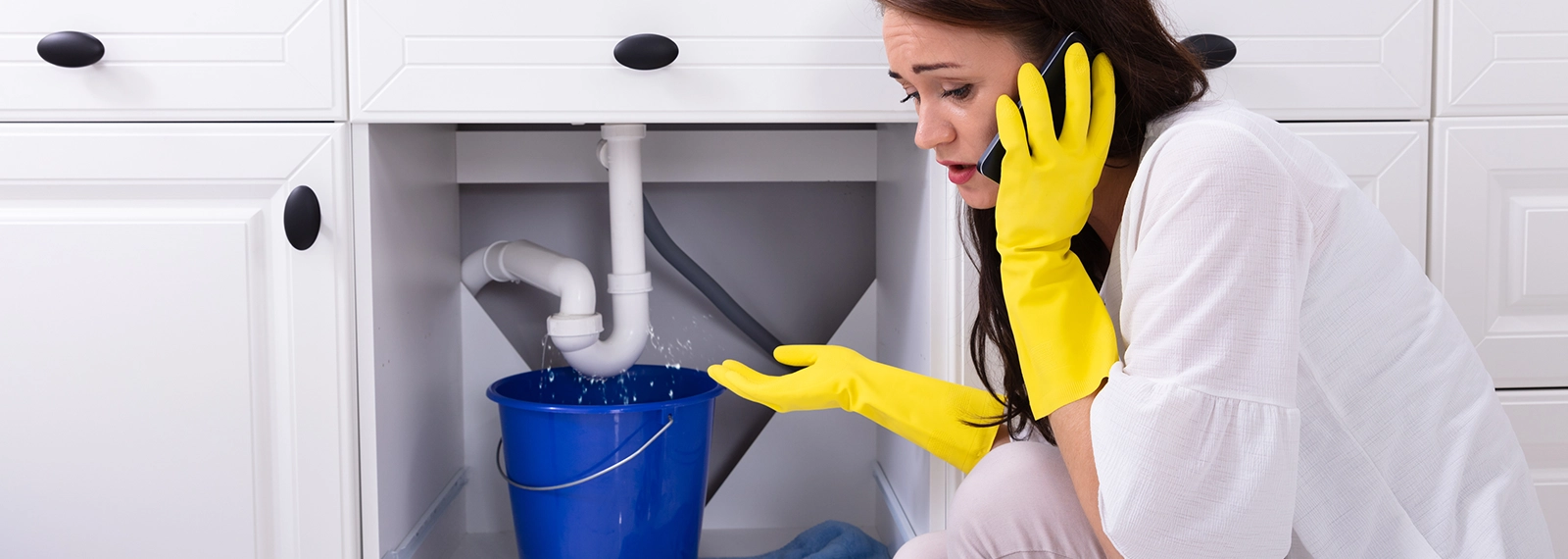
Plumbing emergencies demand quick action. Left unaddressed, they can cause water damage, create health hazards, and lead to expensive repairs. In Williston, FL, certain plumbing problems come up more often than others as a result of the local climate, mineral-rich water, shifting soil, and aging home infrastructure.
This guide covers the five most common plumbing emergencies Williston homeowners face, including how to spot them early, what causes them, and when to call a professional.
What Is Considered a Plumbing Emergency in Florida?
A plumbing emergency is any issue that causes uncontrolled water flow, sewage exposure, loss of water service, or risks structural damage to the home. In Florida, emergencies commonly involve burst pipes, sewer backups, water heater failures, and system-wide pressure loss due to aging pipes and shifting soil.
Clogged and Slow Drains
As debris builds up inside pipes, the system has to work harder to move water through. Flow slows, pressure drops, and clogs begin to form. Older homes and those with narrow pipes tend to be especially vulnerable.
Watch for water draining slowly, unusual odors near drains, or a gurgling sound after water goes down, as these are early signs of a developing clog.
Our Williston plumbers can help you find the source of your clogged drain today.
What Causes Drains To Back Up?
Grease, coffee grounds, hair, soap scum, and food debris accumulate over time. When blockages form, water backs up and strains the entire system. Tree roots can also infiltrate outdoor drain lines, particularly in Florida’s moist soil conditions, creating stubborn blockages.
Signs That Your Clogged Drain Is a Plumbing Emergency
If your drain clogs repeatedly, water backs up into multiple fixtures simultaneously, or sewage odors emerge from drains, call an emergency plumbing service immediately. Multiple slow drains throughout your home indicate a main sewer line blockage requiring urgent attention. While some believe they can handle the issue on their own, store-bought drain cleaners often damage pipes with harsh chemicals, corroding the interior and creating worse problems.
Pipe Bursts or Leaks
Small leaks escalate into larger ones, releasing water behind walls, under sinks, and in crawl spaces. Internal leaks can be identified by damp or musty odors, stains on floors and ceilings, and mold growth. Many, however, develop in hidden areas before they’re detected.
What Causes Pipes To Leak Or Burst?
Florida’s mineral-rich water corrodes pipes from the inside. Combined with warm temperatures and high humidity, pipes deteriorate faster than in other regions. Shifting soil causes pipes to move out of place or crack at connection points. While rare, temperatures below 32 degrees can cause pipes to freeze and burst.
Older homes with galvanized steel or polybutylene pipes face higher failure rates. Slab leaks, where pipes beneath your foundation crack or corrode, require specialized detection and repair. High water pressure accelerates wear on pipe joints and fixtures.
Signs Your Pipe Problems Are Urgent
Damp areas around pipes, discolored or rusty water, and dropping water pressure all require immediate attention. A sudden spike in your water bill (particularly a 20% or greater increase with no change in usage) can reveal a hidden leak. Hissing sounds in walls, warm spots on floors, or visible water pooling near your foundation demand emergency service.
Overflowing Toilets
When improper items enter drains (flushable wipes, paper towels, feminine hygiene products, or excessive toilet paper), severe buildup occurs. Pressure builds inside pipes, leading to overflows that spread contaminated water across bathroom floors.
Why Do Toilets Overflow?
A backed-up sewer line blocks waste from exiting your home, forcing it back through the lowest fixture, usually a toilet. Blocked vent pipes prevent proper drainage by creating a vacuum in your plumbing system. Toilet tank malfunctions, such as a faulty fill valve or broken flapper, cause uncontrolled water flow into the bowl.
Flushing too much material at once overwhelms the trap and drain line.
No Hot Water
Sediment from Florida’s hard water collects at the bottom of water heaters, insulating the heating element and forcing the unit to work harder. Over time, the tank corrodes, the thermostat fails, or the heating element gives out. In severe cases, a failing heater ruptures, releasing gallons of water that damages floors, walls, and personal belongings.
Why No Hot Water Could Be An Emergency
No hot water often indicates imminent water heater failure. Inconsistent water temperatures suggest a failing thermostat or sediment buildup. Rumbling or popping noises occur when sediment hardens and breaks apart as water boils beneath it. Rusty-colored hot water indicates internal tank corrosion, a sign the unit will soon fail. Moisture pooling near the base signals an active leak.
A complete loss of hot water could stem from a tripped circuit breaker, failed heating element, or extinguished pilot light. However, if accompanied by other symptoms (strange noises, discolored water, or leaks), the heater needs immediate professional assessment.
Water heaters typically last 8 to 12 years in Florida’s harsh water conditions. Units older than 10 years showing these symptoms should be replaced rather than repaired.
Low Water Pressure
Low water pressure affects faucets, showers, and appliances throughout your home. While some dismiss it as a minor inconvenience, persistent low pressure across multiple fixtures indicates underlying problems.
Why Is My Water Pressure Low?
Corroded galvanized pipes develop interior rust that narrows the passage for water flow. Mineral deposits from hard water accumulate inside pipes and fixture aerators, restricting water movement. A failing pressure regulator causes pressure to drop below functional levels.
Hidden leaks divert water before it reaches your fixtures, creating pressure loss. In Florida, tree roots infiltrating underground water lines restrict flow. Municipal water main breaks or repair work temporarily reduce pressure across entire neighborhoods. Partially closed shut-off valves following repairs also cause pressure issues.
If pressure is low throughout the house, the problem lies in your pipes, pressure regulator, or water supply line.
Frequently Asked Questions About Plumbing Emergencies
How Do I Know If My Plumbing Issue Is Urgent?
If water is leaking, sewage is backing up, pressure drops suddenly, or essential plumbing stops working, the issue is urgent and requires professional service.
Should I Wait To See If A Plumbing Problem Gets Better?
No. Plumbing problems rarely resolve on their own. Delaying service often increases repair costs and the risk of water damage.
When to Call an Emergency Plumber
Call an emergency plumber if you experience burst pipes, sewer backups, overflowing toilets, loss of hot water, or low water pressure throughout your home. These conditions often signal system-wide plumbing failures that require immediate professional service to prevent damage.
Professional Plumbing Relief in Williston
PureGreen Plumbing LLC provides comprehensive commercial and residential plumbing services throughout Williston and surrounding areas. With extensive experience in Florida’s unique plumbing challenges, we diagnose problems accurately and resolve them efficiently. Contact us today to schedule an appointment.
